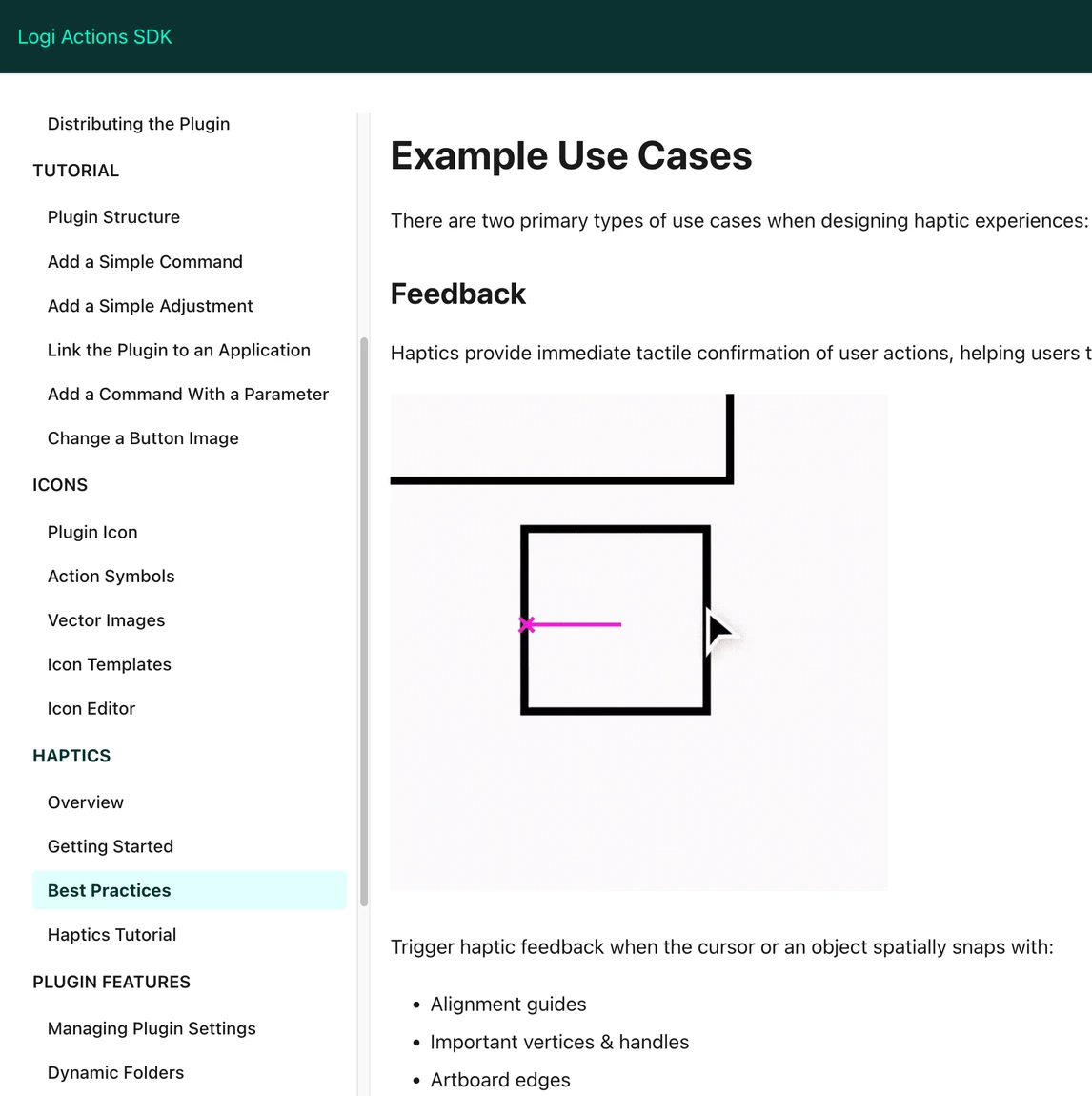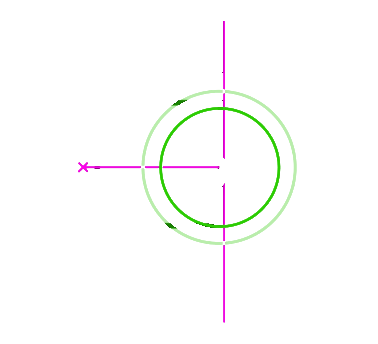
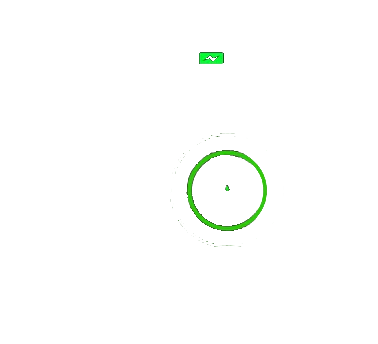
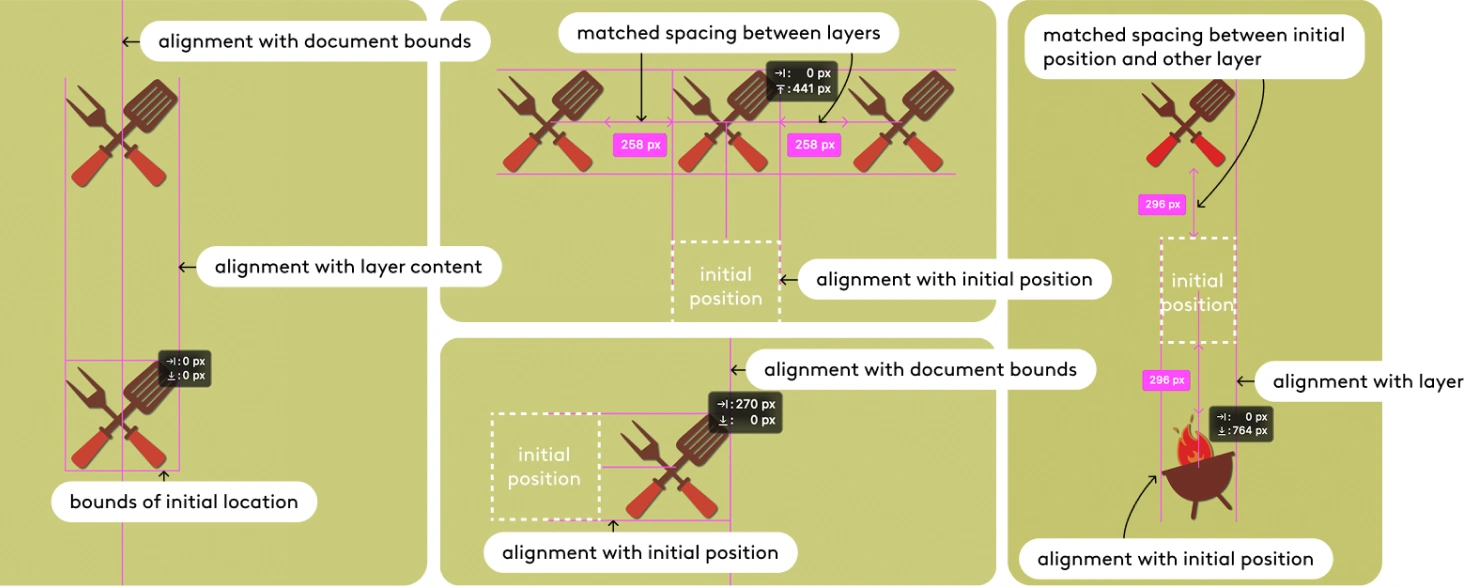
Together with Adobe Photoshop’s engineering team, I studied what events should be haptified:
Logitech’s first haptic design system: 21 waveforms, shipped in three products, kept on by over 99% of users, and the foundation for native haptics in Windows 11.
I established Logitech's first foundational haptic language from scratch, building a unified tactile experience from the ground up. This role required serving as the central link between mechatronics, embedded software engineering, and external developer platforms, translating complex hardware mechanics into a scalable, intuitive sensory system across the entire product ecosystem.
The system is anchored by three strict UX pillars, which were used as KPIs to track the quality of the work throughout the project.

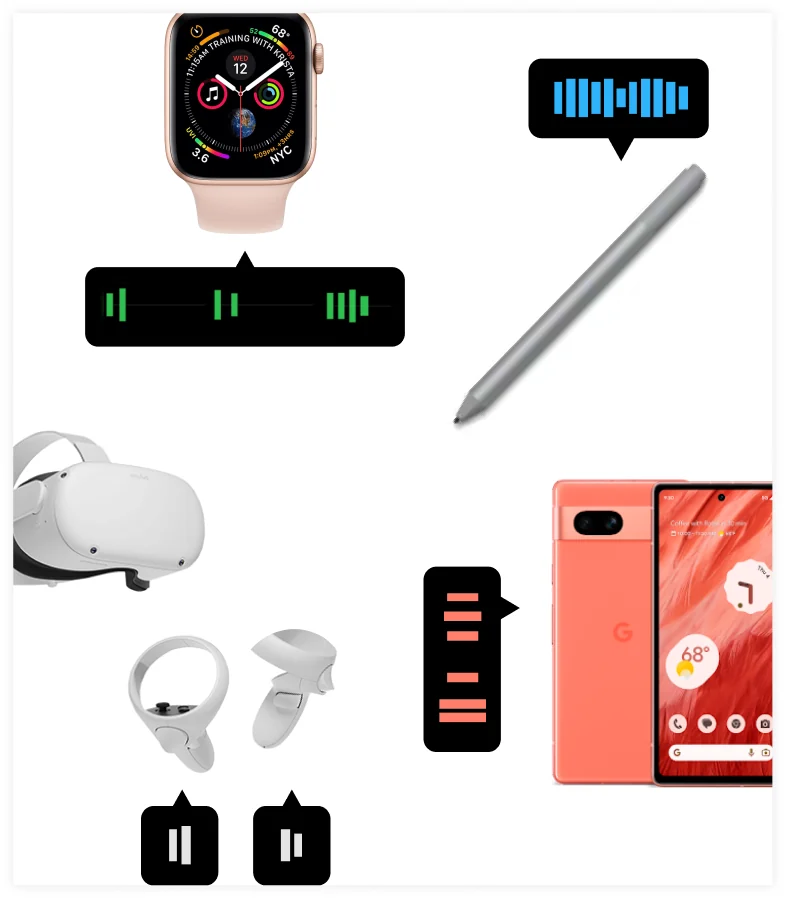
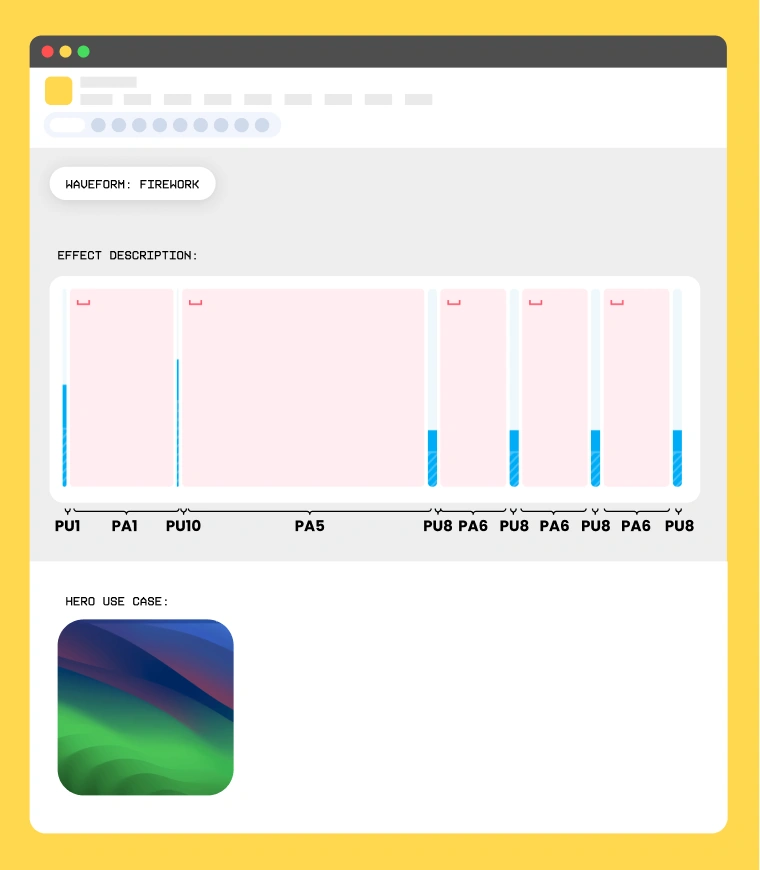
To scale haptics predictably across different hardware devices, I adapted an Atomic Design framework into a tactile language, categorising sensations into individual Atoms (pulses, vibrations), Molecules (complex waveforms like sharp collisions), and Organisms (continuous sequences).
This approach allowed us to maximise expression while running within the limitations of a Texas Instruments DRV2624 haptic driver. The driver can’t play certain effects back to back, like a vibration followed by a sharp pulse, so I tuned every waveform to avoid those successions.

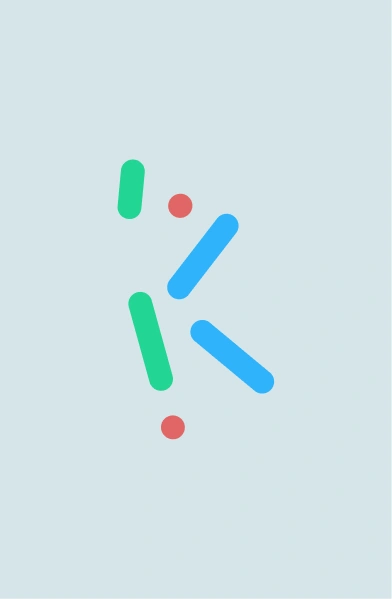
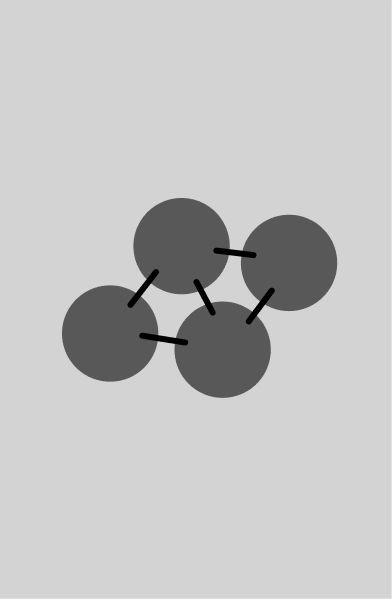
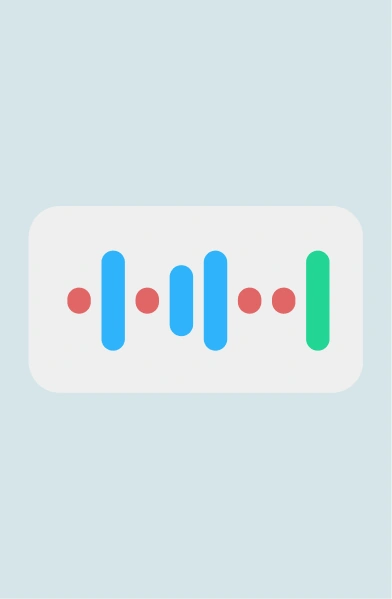
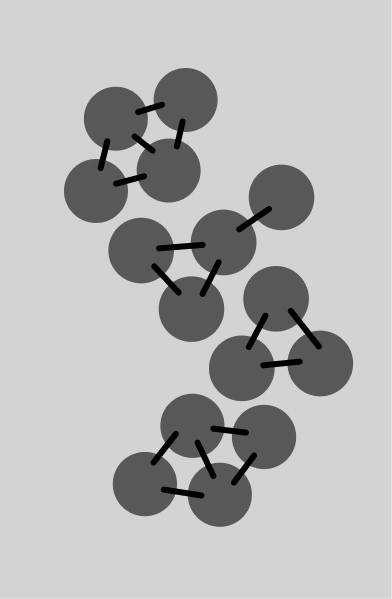
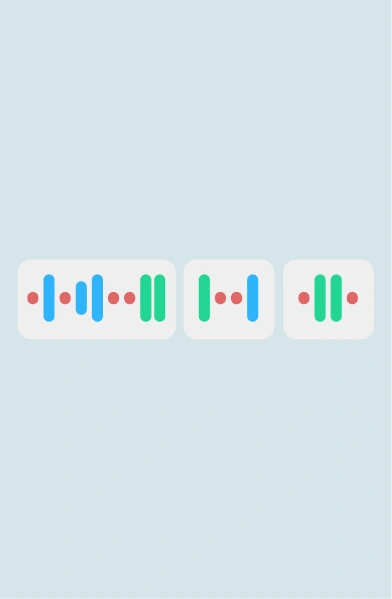
Atomic design frameworkMapping tactile components from discrete pulses to continuous sequences.
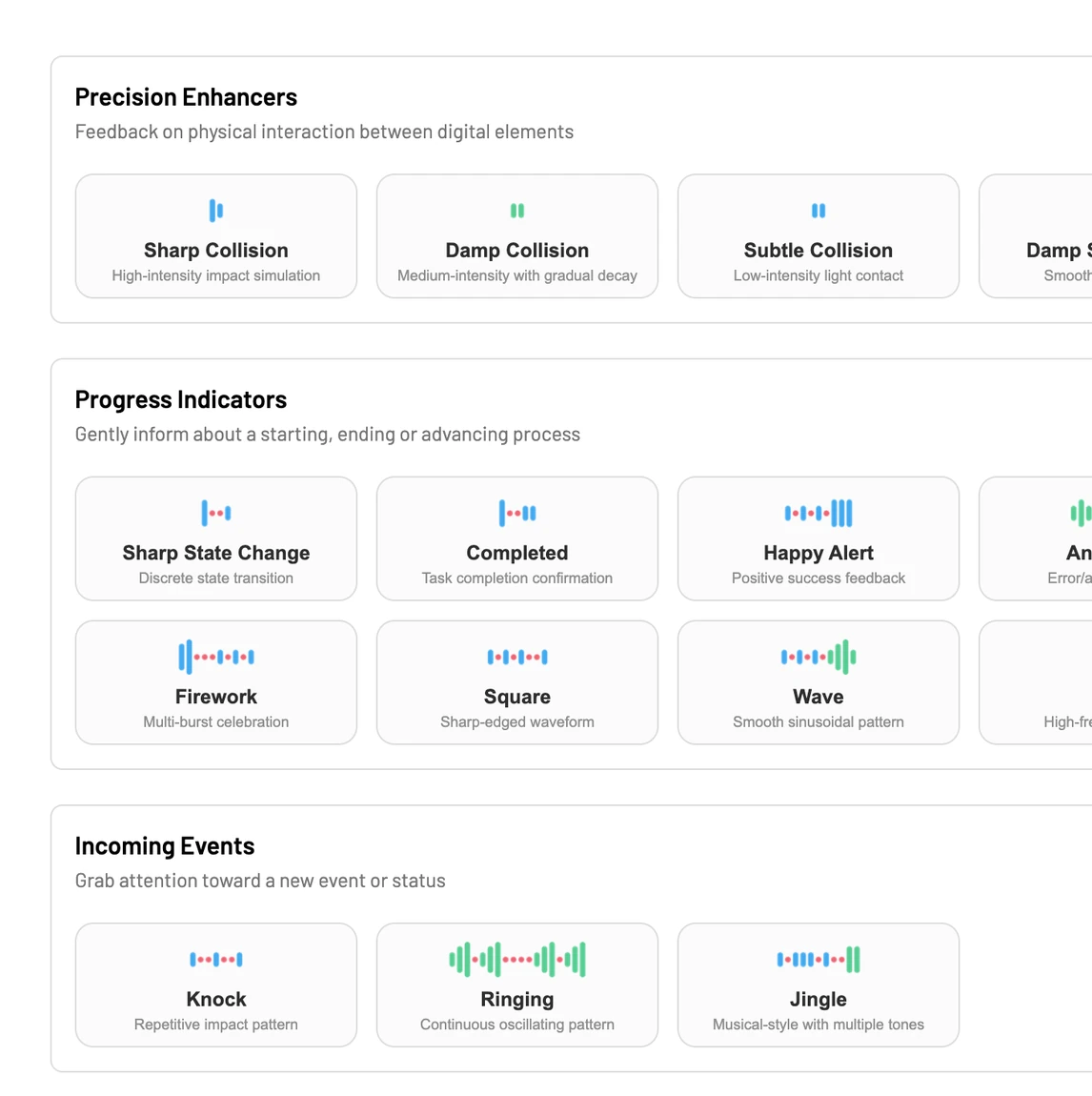
Haptic feedback can enhance several digital experiences. I brainstormed possible experiences directly with end users, eventually coming to four main categories of haptic events:
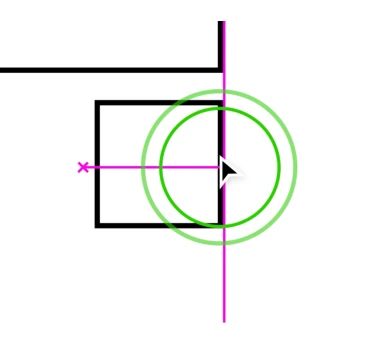
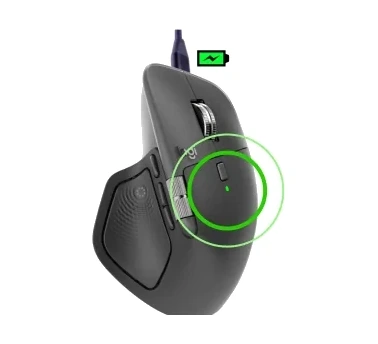
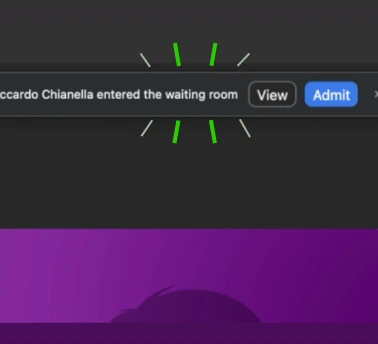
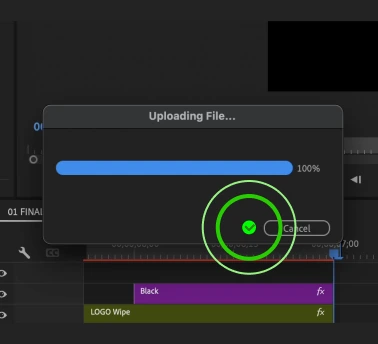
Main use cases for haptic feedbackEach haptic event is designed to complement a specific cue. The cue can come from directly manipulating an object, from a state change in the device, from a notification users want to pay attention to, or from a process advancing.
 Subtle collision
 Damp collision
 Sharp collision
 Sharp state change
 Damp state change
 Completed
 Knock
 Mad
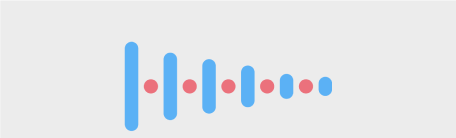 Tired
 Euphoric
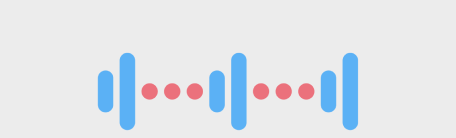 Breathing
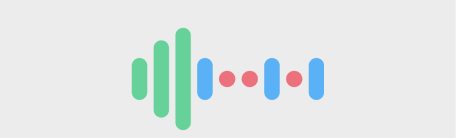 Full
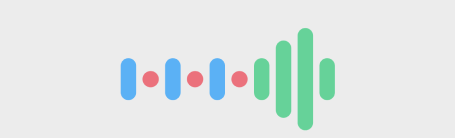 Wave
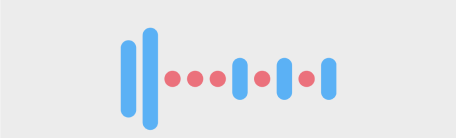 Firework
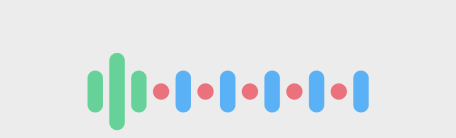 Angry alert
 Square
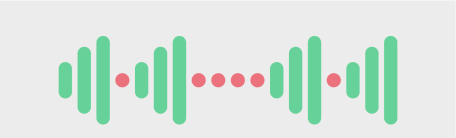 Ringing
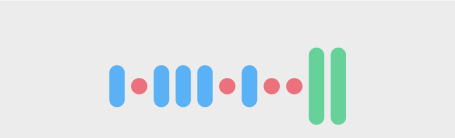 Jingle
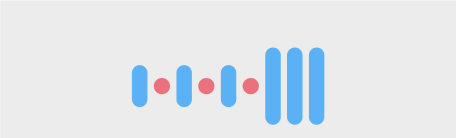 Happy alert
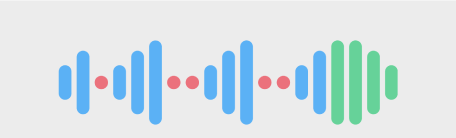 Engine
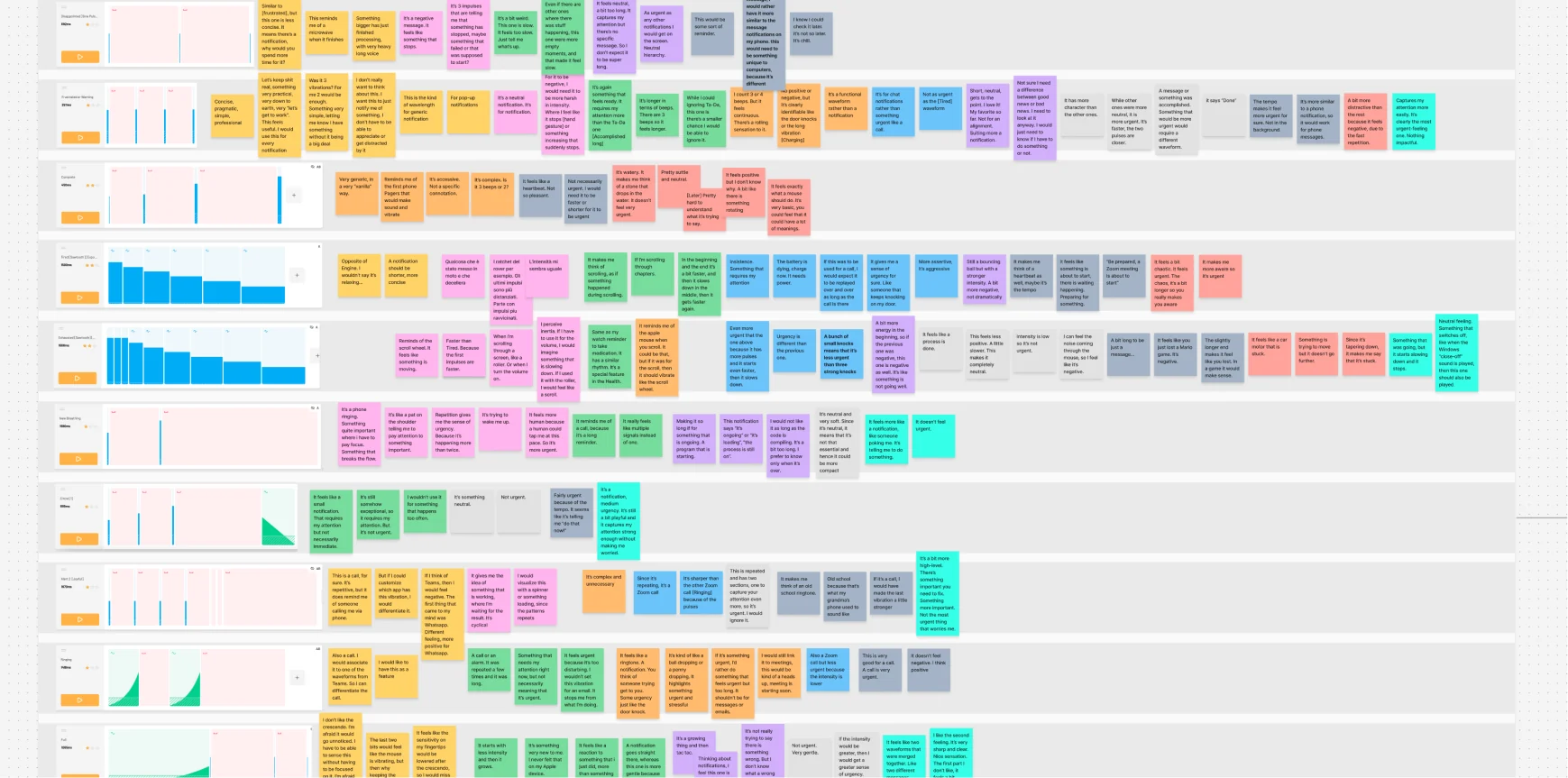
I tested around 30 waveforms with 20 mouse users. Some were deleted for redundancy, some were merged, and new ones were added after testing the first prototypes with the apps, ending with 21. Later in development, a quantitative test with 120 people validated the use cases with the MVP plugins just before launch.
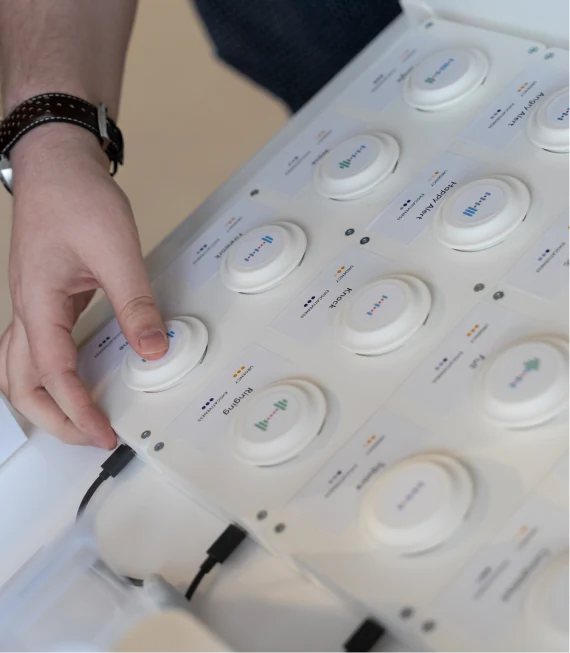
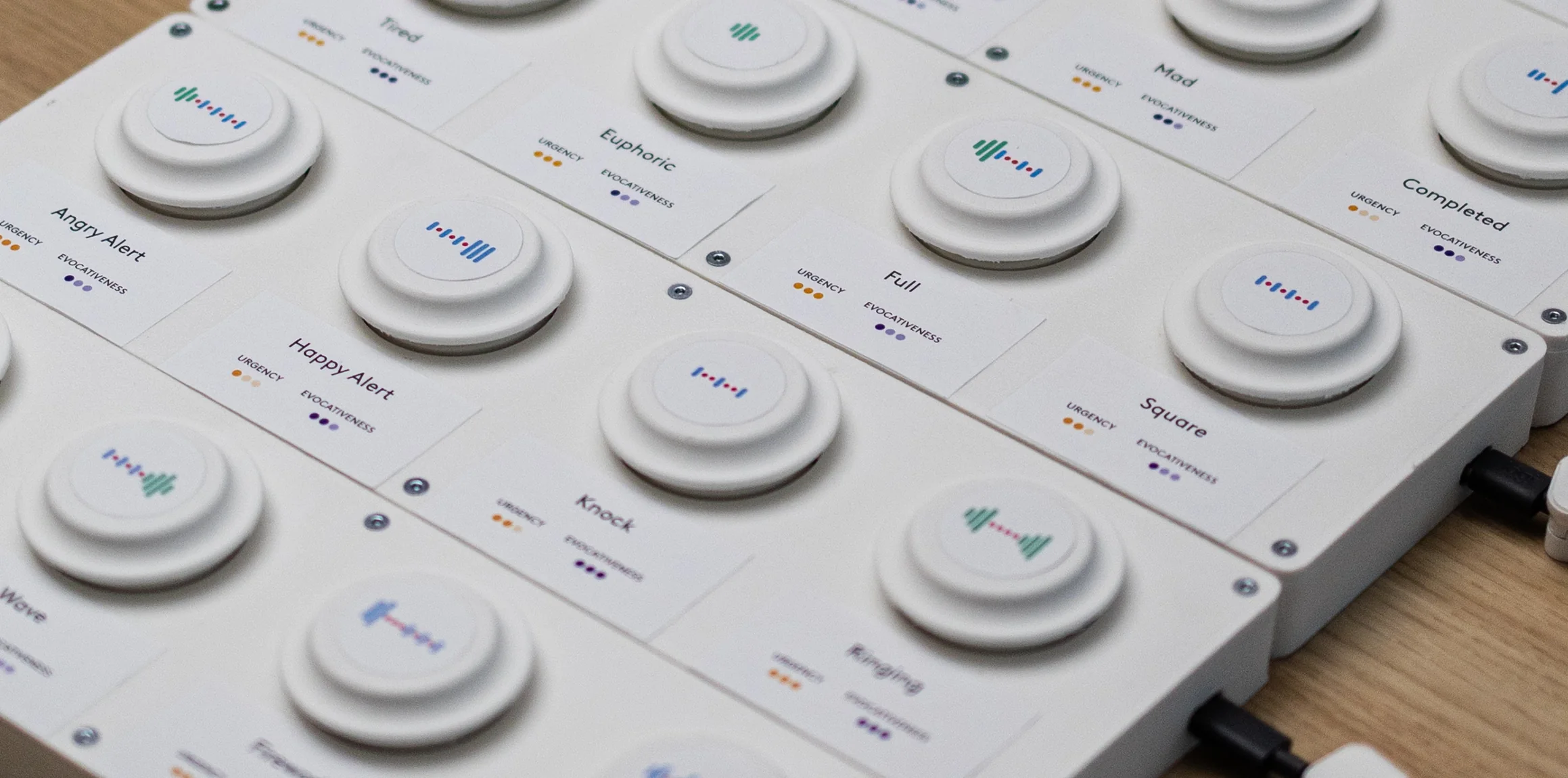
Designing a haptic piano for user testingGiven the challenge of discussing vibrations, I built this tool to ease conversations around each waveform, letting users describe how each one felt and what it reminded them of.
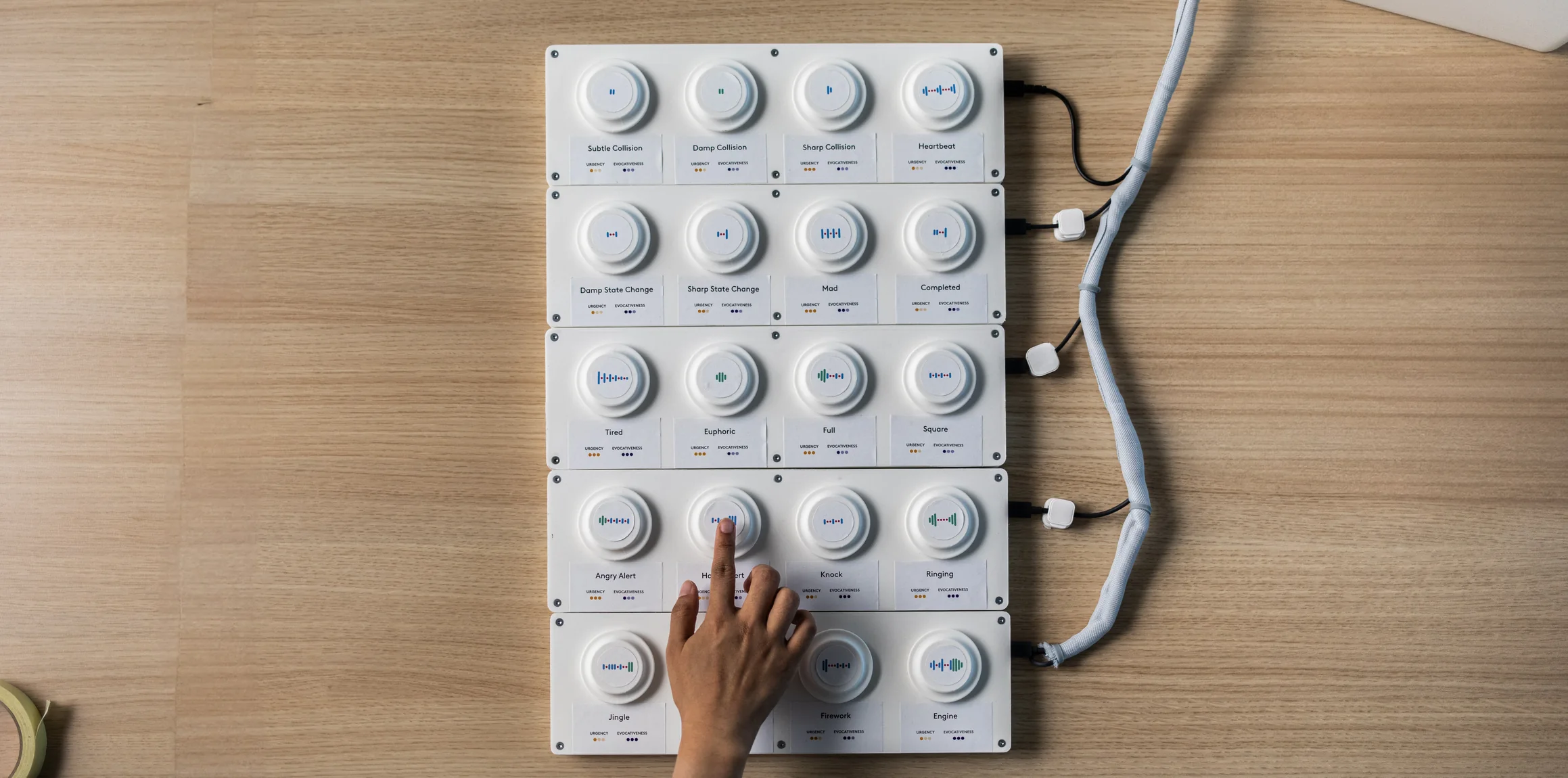
Haptic feedback was introduced by Logitech as a core feature with the following devices. They all follow the haptic design system I developed.
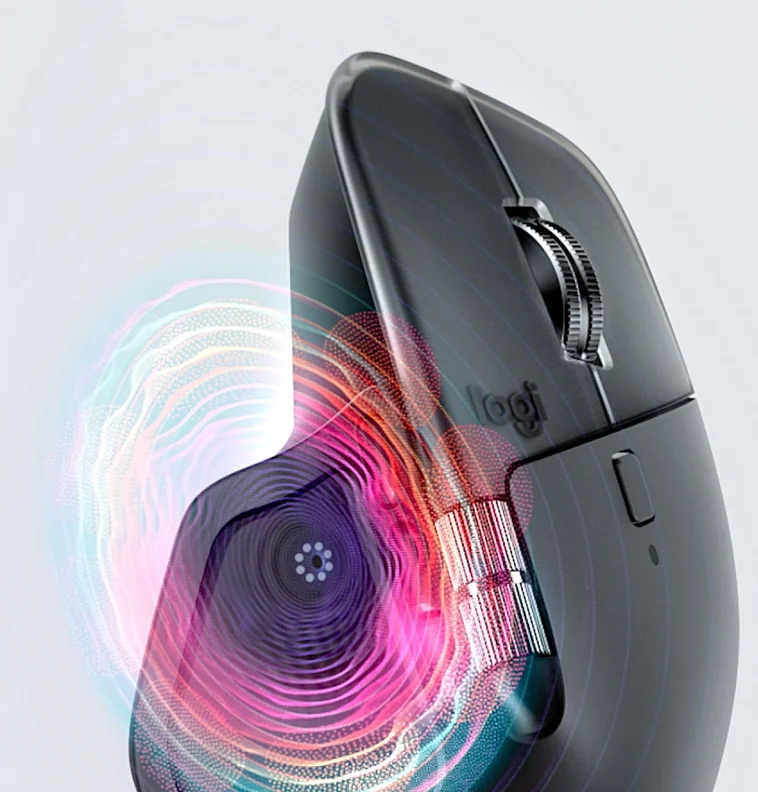
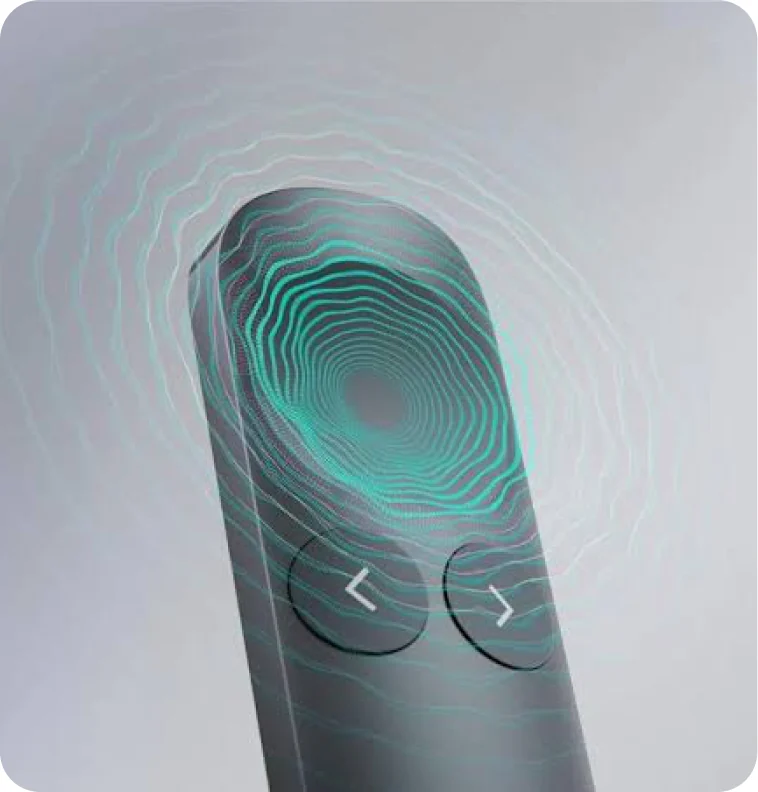
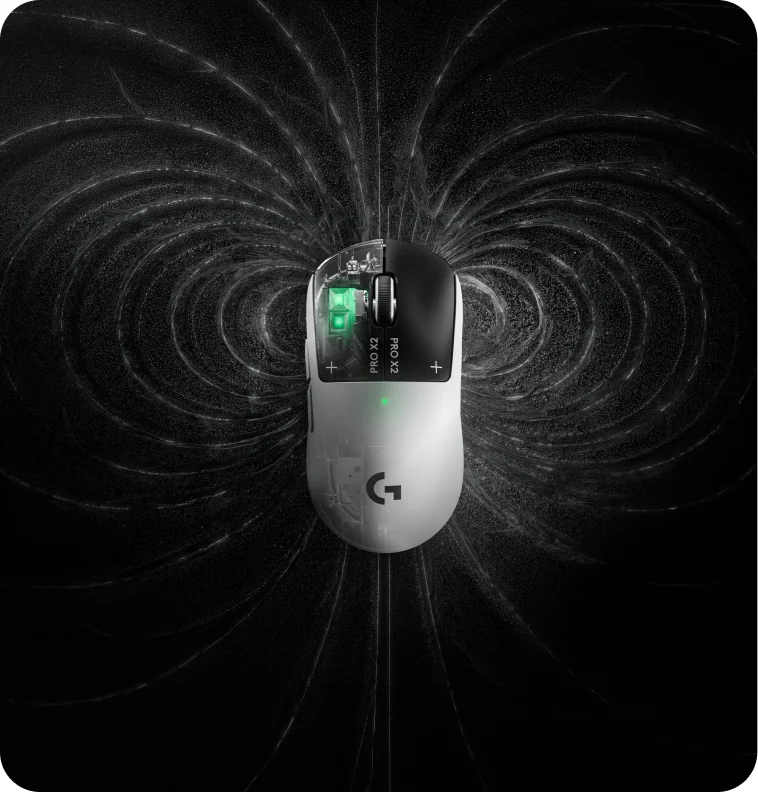
I worked closely with external partners to implement recommended haptic events on third-party apps, and to build the foundation of a standardised haptics HID protocol working for all Windows users. With Microsoft, this made the MX Master 4 the first productivity mouse with native haptic feedback in Windows 11 (opens in a new tab).
Snippets of the design process I followed throughout our partnership with Adobe Photoshop. I followed a very similar process with the Premiere Pro and Lightroom teams.
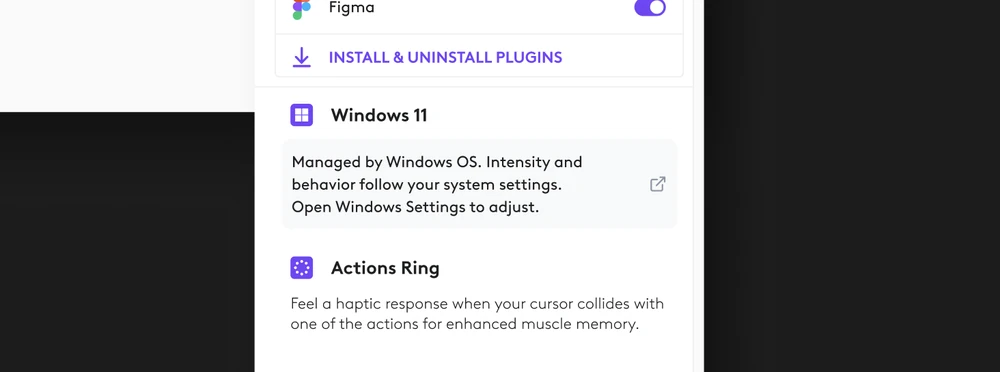
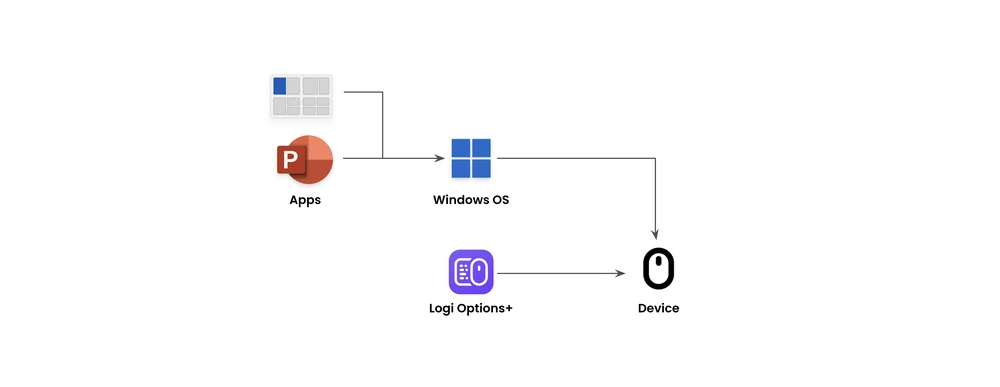

Snippets of the design process I followed with the Human Centered Design team at Microsoft.
I collaborated with a copywriter, a software product manager and other UX designers to write several documents for assisting and educating external partners on our haptic design system.